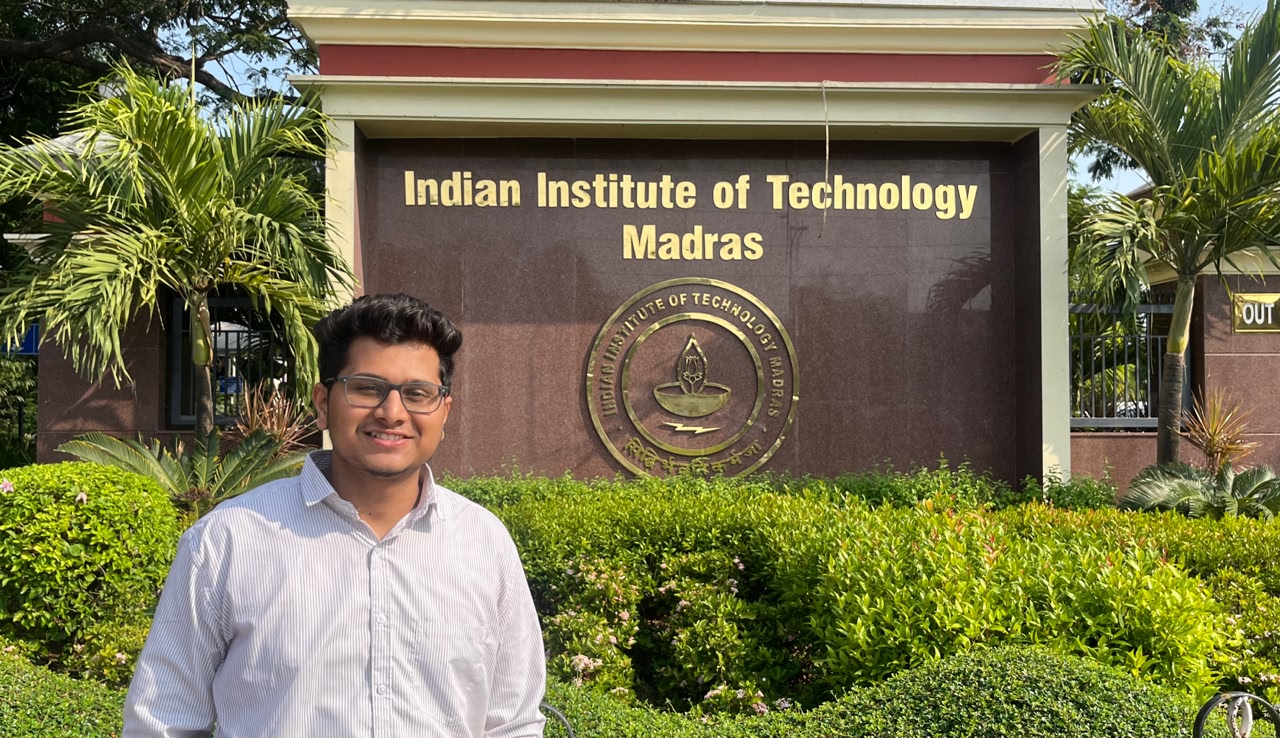
There are some places that carry a special meaning long before you ever visit them. If you're an engineer in India who once spent countless hours preparing for the IIT entrance exams, you know that IITs are among those places. IIT Madras was one of those places for me.
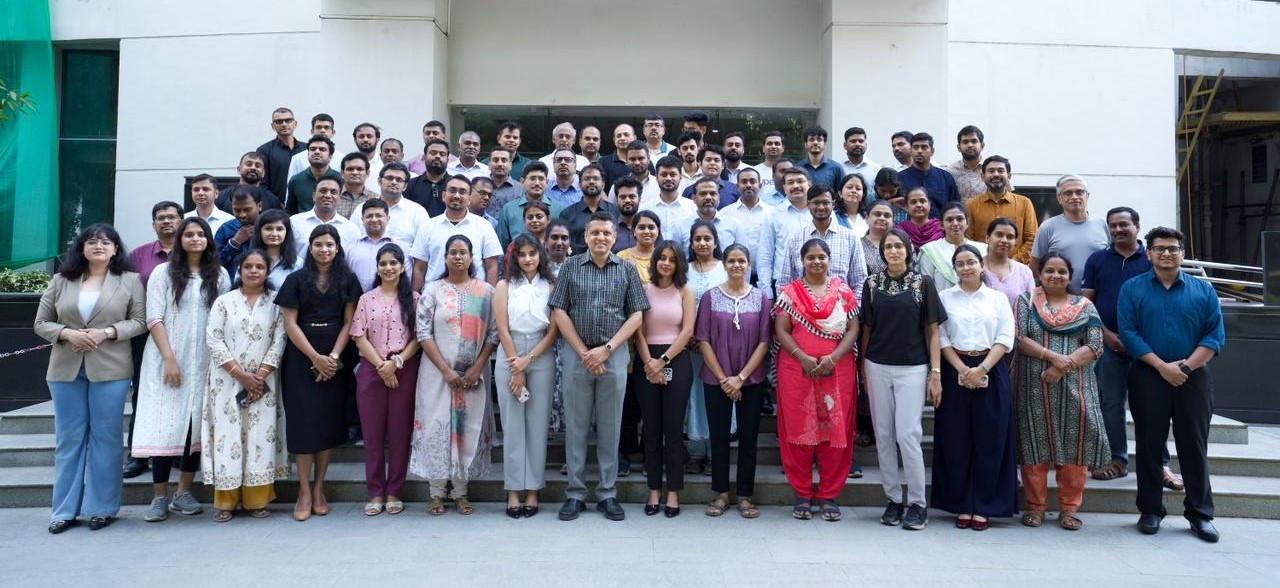
Recently, I had the opportunity to visit IIT Madras for the commencement ceremony of the Applied Artificial Intelligence and Machine Learning Advanced Certification Programme offered by IITM. What began as a year-long online learning journey culminated in two memorable days on campus filled with learning, conversations, nostalgia & reflection.
The Certification Journey
The Applied Artificial Intelligence and Machine Learning Advanced Certification Programme was 12 months professional programme designed for learners who want to build practical expertise in AI and Machine Learning. The curriculum covered the fundamental concepts that power modern AI systems while also focusing on real-world applications.
Over the course of the programme, participants learn to:
- Understand and apply core concepts of AI and Machine Learning
- Implement deep learning techniques using modern frameworks
- Build and deploy machine learning models
- Apply AI solutions to solve real-world business and engineering problem
There were Weekly lectures, live sessions, assignments and projects ensured that learning remained hands-on rather than purely theoretical.
Like many others in the cohort, I balanced the programme alongside my professional responsibilities, making the completion of the course especially rewarding.
Two Days of Campus Immersion
The commencement ceremony was accompanied by a two-day campus immersion programme that brought together learners from diverse industries and backgrounds.
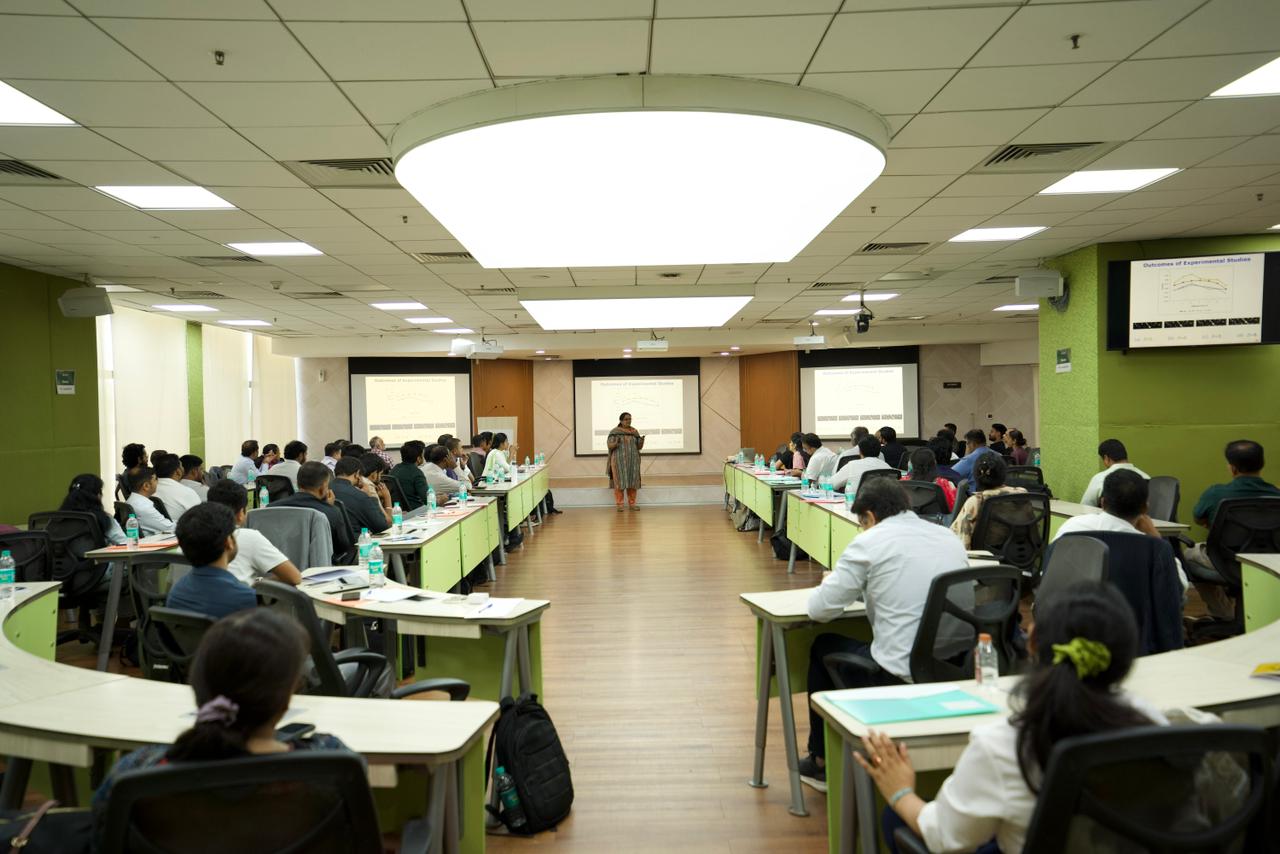
The first half of both days consisted of cohort sessions and technical talks. Professor C. Chandra Sekhar and Professor Dileep A. D. delivered insightful sessions on the latest developments in Artificial Intelligence, emerging trends and practical applications of AI across industries.
We also had the opportunity to interact with several PhD researchers who presented their ongoing work. These interactions were particularly valuable because they offered a glimpse into the cutting edge of research beyond what we typically encounter in industry. Listening to their work and discussing their research areas was both inspiring and intellectually stimulating.
Exploring IIT Madras
The highlight of the first day was undoubtedly the campus tour. I had heard people describe IIT Madras as one of the most beautiful campuses in India, but seeing it in person was something else entirely. The campus feels less like a university and more like a forest with academic buildings nestled within it.
Campus is really big and wild for real. Deer casually walked around the campus as if they owned the place which, to be fair, they probably do.
We travelled through the campus by bus and electric buggy, visiting various departments, academic buildings and landmarks. But one place left a particularly strong impression on me: The Innovation Centre
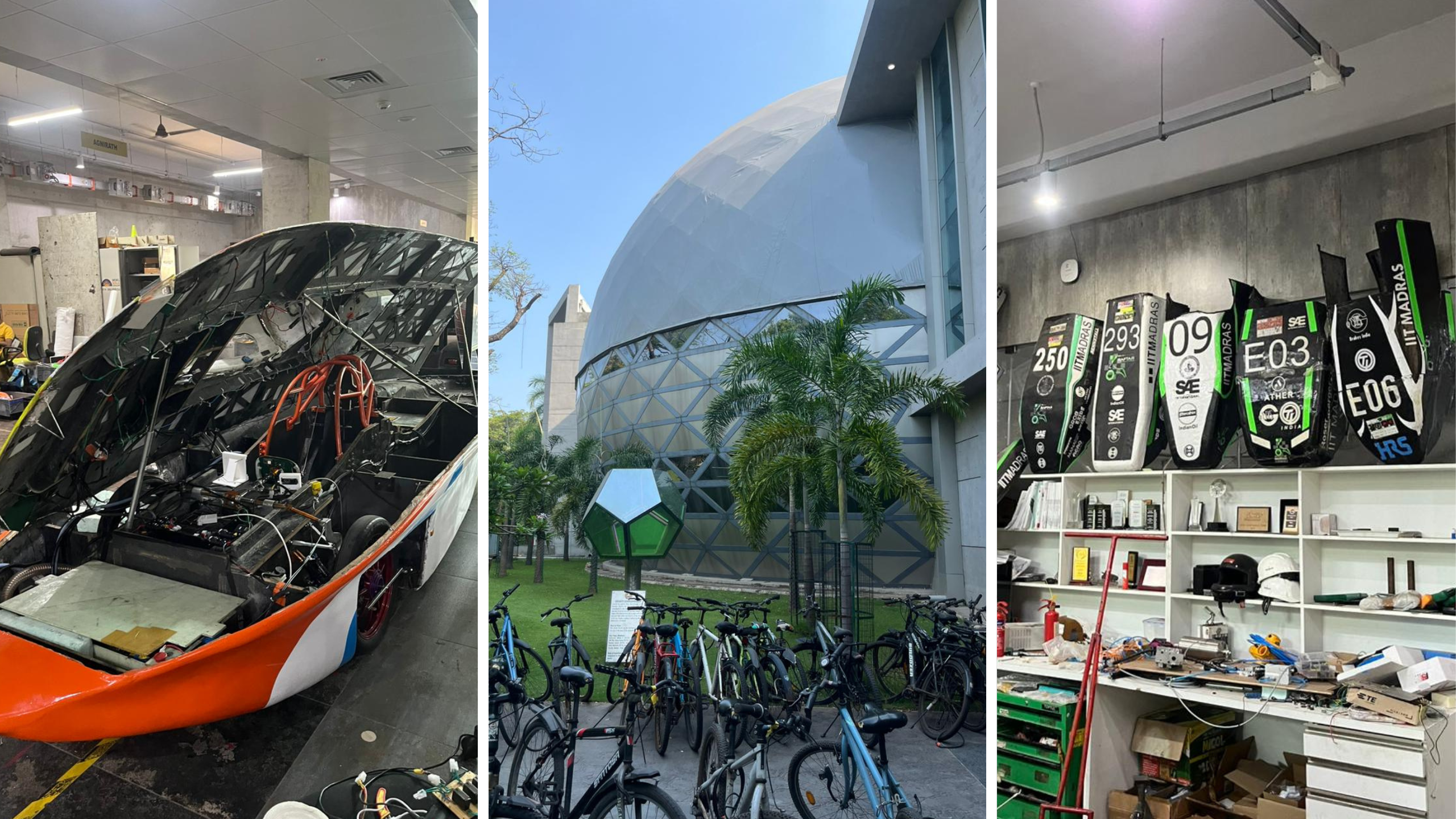
More importantly, they were building things.
As we spoke with the students about their projects, I was reminded of my own engineering days. During college, I was actively involved in our robotics club, spending evenings and weekends designing, building and testing robots. Our team also participated in DD Robocon India, one of the country's premier robotics competitions where teams develop specialized robots to compete in complex engineering challenges.
Walking through the Innovation Centre brought back memories of those late nights, failed prototypes, small victories and the excitement of creating something from scratch. It was a deeply nostalgic experience.
The campus tour eventually concluded at the iconic IIT Madras entrance, where naturally, everyone gathered for photographs before calling it a day.
A Thought Provoking Keynote
The second day continued with technical sessions before transitioning into the keynote address and commencement ceremony.
Ironically, I do not remember the speaker's name but I remember almost everything he said. His talk focused on the changing nature of work in the age of Artificial Intelligence.
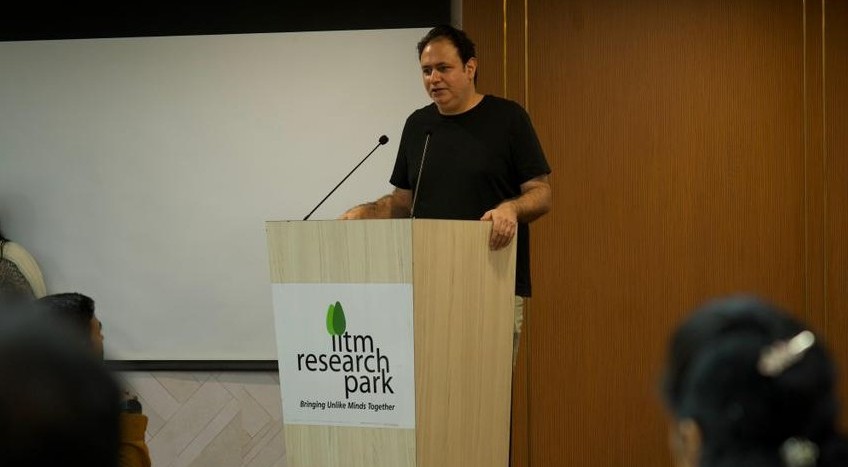
He explained how, in the past, companies needed large teams because almost every task required human effort. Today, AI significantly increases the output of each individual, allowing smaller teams to achieve what once required entire departments.
The implication was profound: AI shifts the advantage from "big company with a big team" to "small company with a highly capable team."
What fascinated me most was his observation that the power of AI is no longer the central question. We already know AI is powerful. The real challenge now is making it useful. Making it useful for people. Making it useful for businesses. Making it useful for solving real problems.
He concluded with a statement that stayed with me long after the event ended:
The important skill in the age of AI is knowing what problem to solve, how to structure it and how to orchestrate humans, AI and software to solve it.
As someone learning AI while also working in engineering, that idea resonated deeply. Technical tools will continue to evolve but the ability to identify meaningful problems and build solutions around them will remain invaluable.
A Personal Full Circle Moment
Finally, it was time for the certificate distribution ceremony.
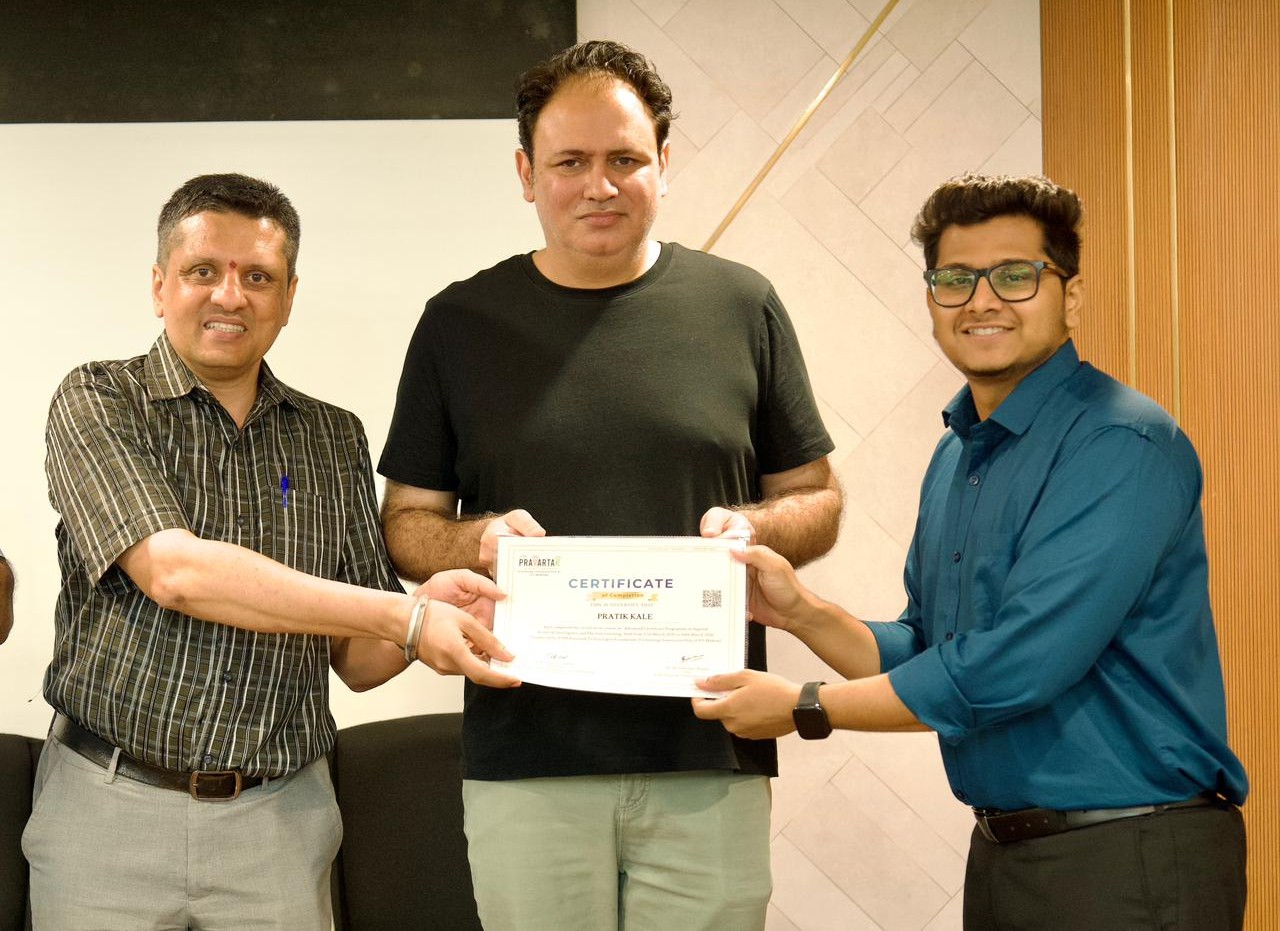
Standing there, receiving a certificate from IIT Madras, I couldn't help but think about a younger version of myself. The eighteen-year-old who spent months preparing for JEE Advanced. The one who dreamed of studying at an IIT but couldn't make it. That boy would have been happy that day.
Perhaps not because of the certificate itself, but because life has a funny way of bringing us back to places we once dreamed.
Over those two days, I met fellow learners from different industries, interacted with professors and researchers, listened to remarkable speakers, explored one of India's finest campuses, and revisited memories of my own engineering journey.
What I expected to be a simple commencement ceremony turned out to be something much more meaningful.
It was a celebration of learning, curiosity and the idea that it is never too late to return to the classroom whether physical or virtual and start learning again.